Green Bones and the Essence of Subtlety

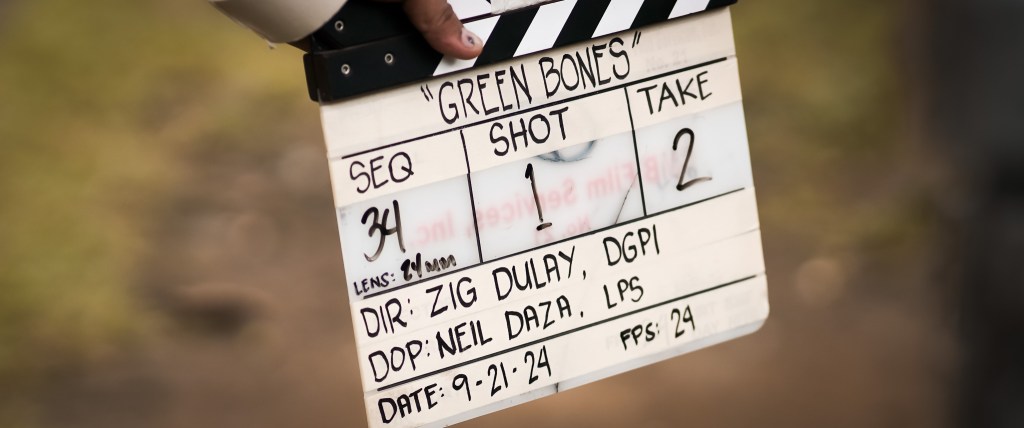
From our first collaboration on ‘Firefly’ (2023), where we aimed for a children’s storybook aesthetic, Zig Dulay and I developed a working system that carried over into our next project ‘Green Bones’. By the time we began discussing its visual direction, we were already speaking the same creative language. Zig is a very collaborative filmmaker with a clear vision — which is essential in a director-cinematographer partnership. A film’s cinematography begins not with lenses or lights, but with shared values and aligned aesthetics.

The key to a meaningful work lies in syncing your perspective with the director’s. Based on experience, it’s going to be a struggle making that film if your visions diverge. Fortunately, ‘Green Bones’ also had the advantage of a long-time collaborator- production designer Mao Fadul; whom I have worked with in many of the films I’ve shot — ‘Bwaya’ (2014), ‘Oda Sa Wala’ (2018), ‘Blue Room’ (2022), ‘About Us But Not About Us’ (2022). With Zig and Mao, we shared a common language rooted in authenticity.

A New Direction

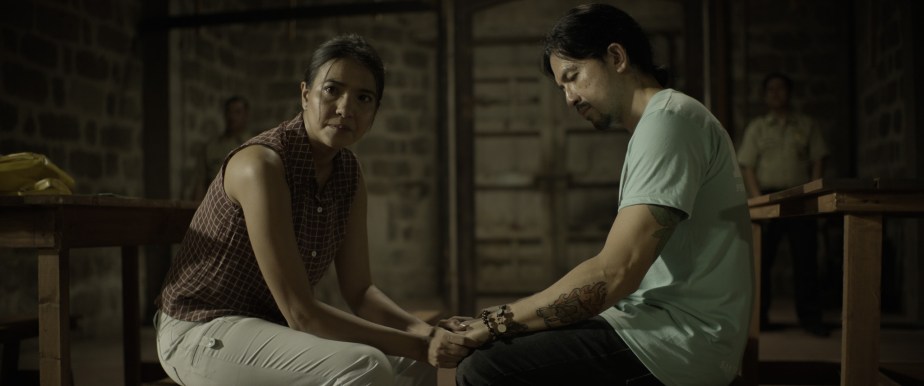
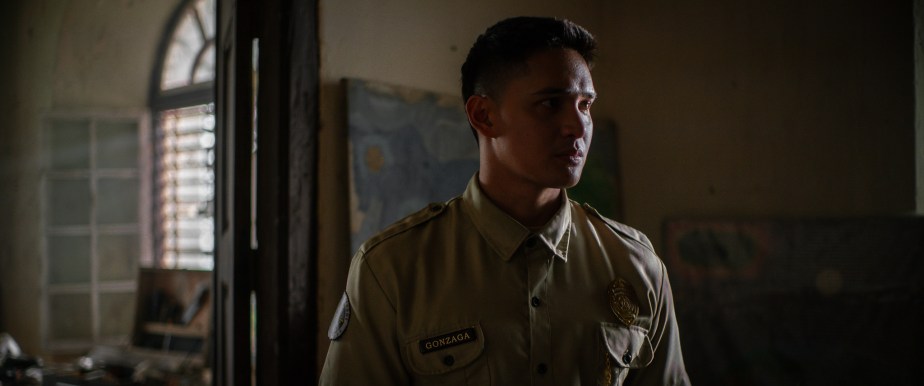
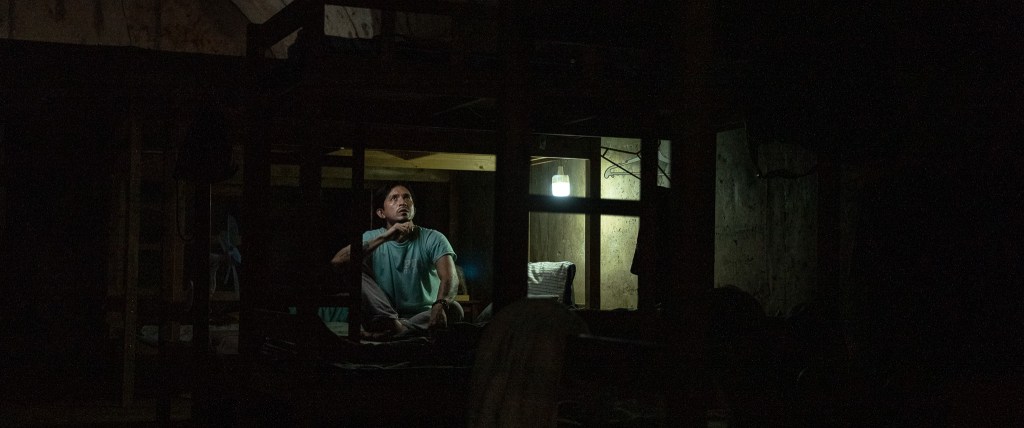
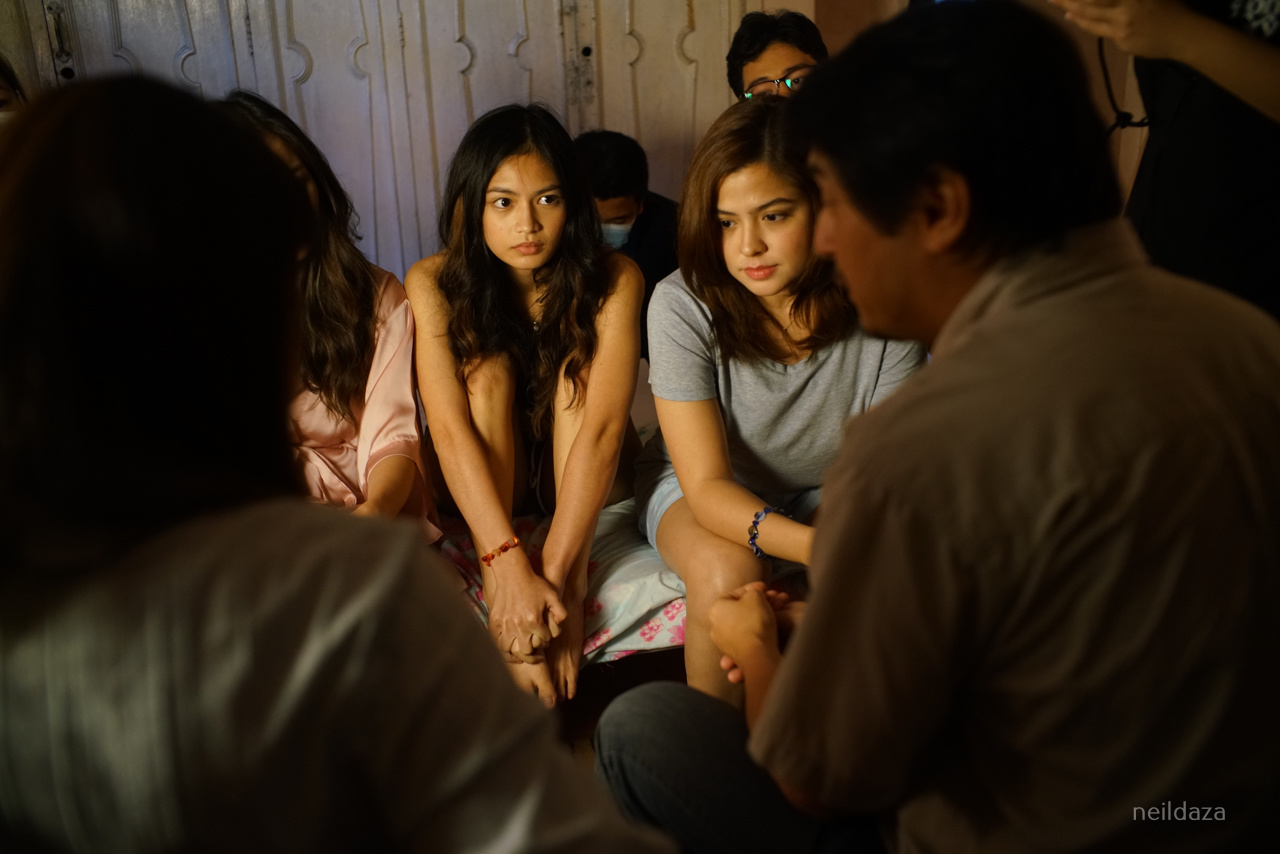
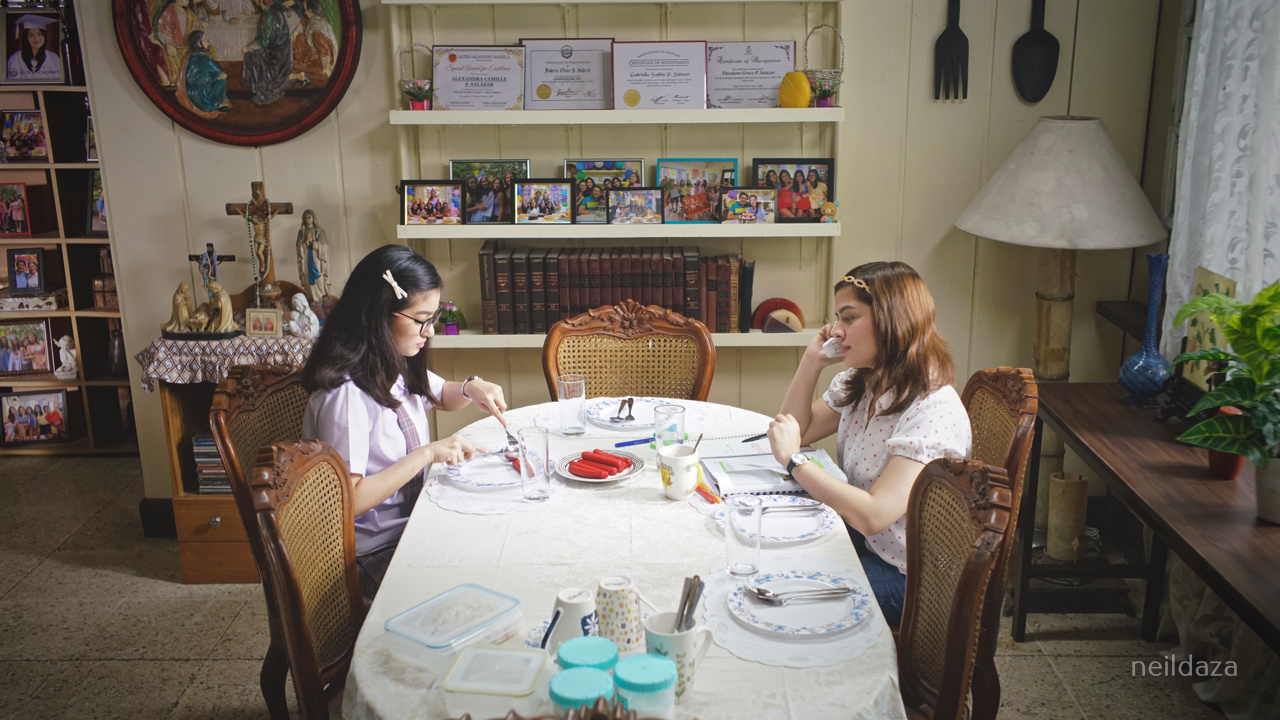
In our early conversations, Zig and I agreed that ‘Green Bones’ should look and feel differently from ‘Firefly’. While ‘Firefly’ leaned toward classical compositions— a sense of order and visual harmony; ‘Green Bones’ called for something raw, spontaneous, and more grounded because of the story. We went for a naturalistic and minimalist style, leaning into neorealism but steering clear of the gritty, overly-textured look common in similar genres.  

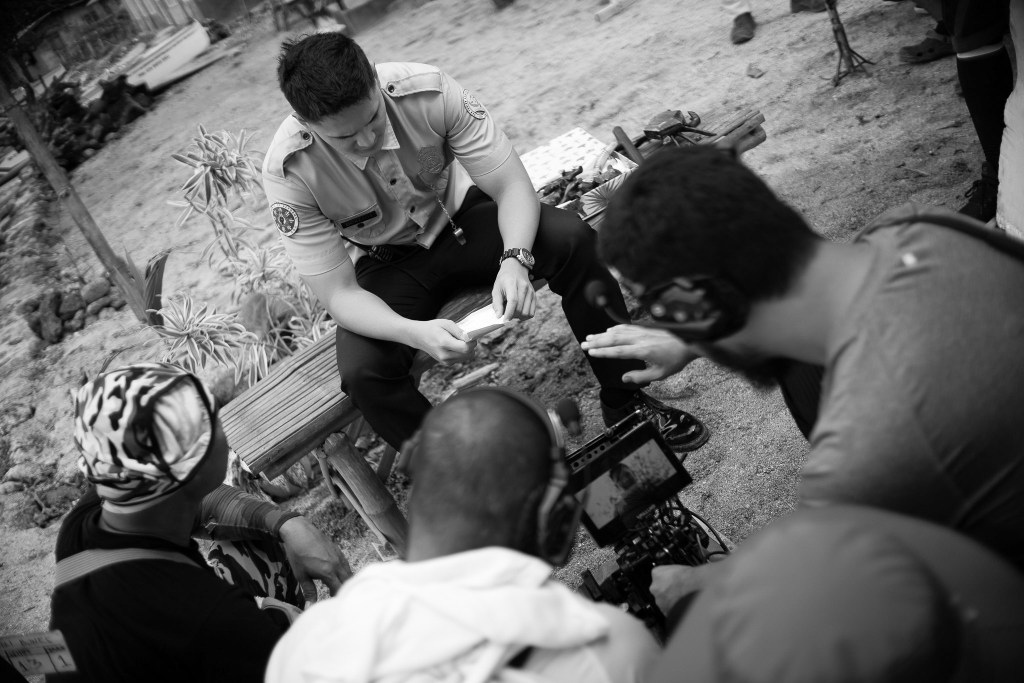
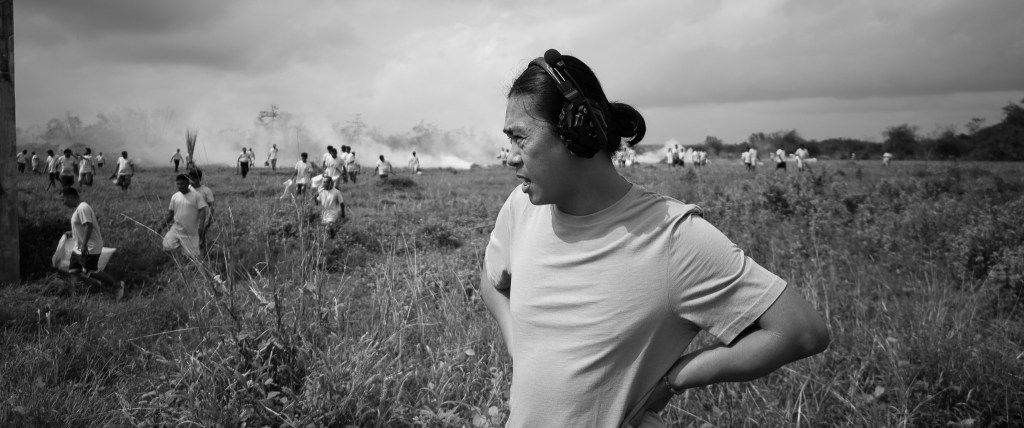
The camera became another character that needed to reflect, and captured the emotional and physical movement of the characters. There was restraint in doing grand, sweeping shots. Instead, we opted for subtle camera movements that felt like a whisper in a crowded room- understated, but intentional. Often, we’d redo takes simply because the camera’s timing disrupted the rhythm we were after.

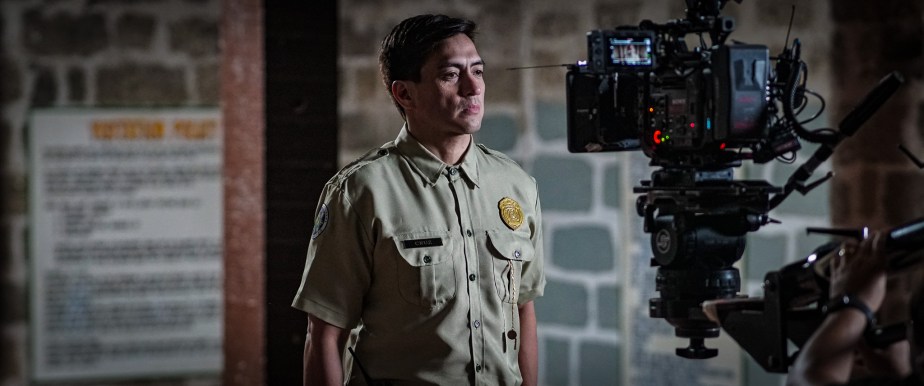
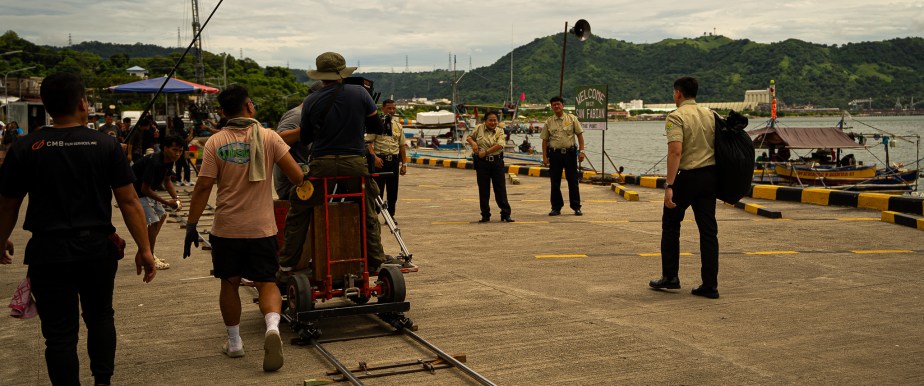
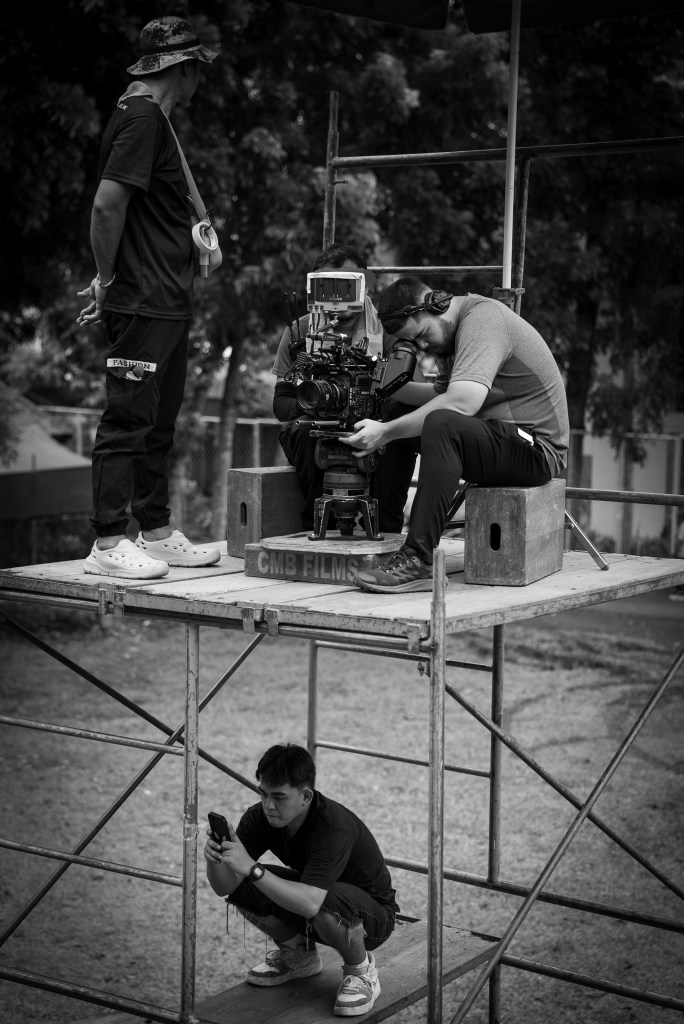
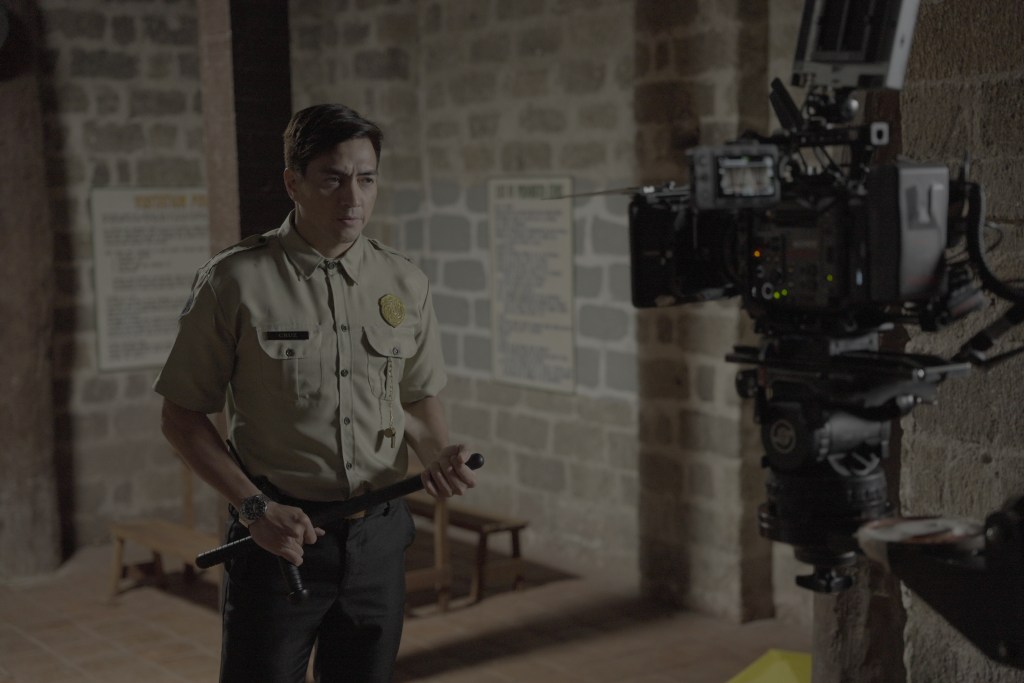
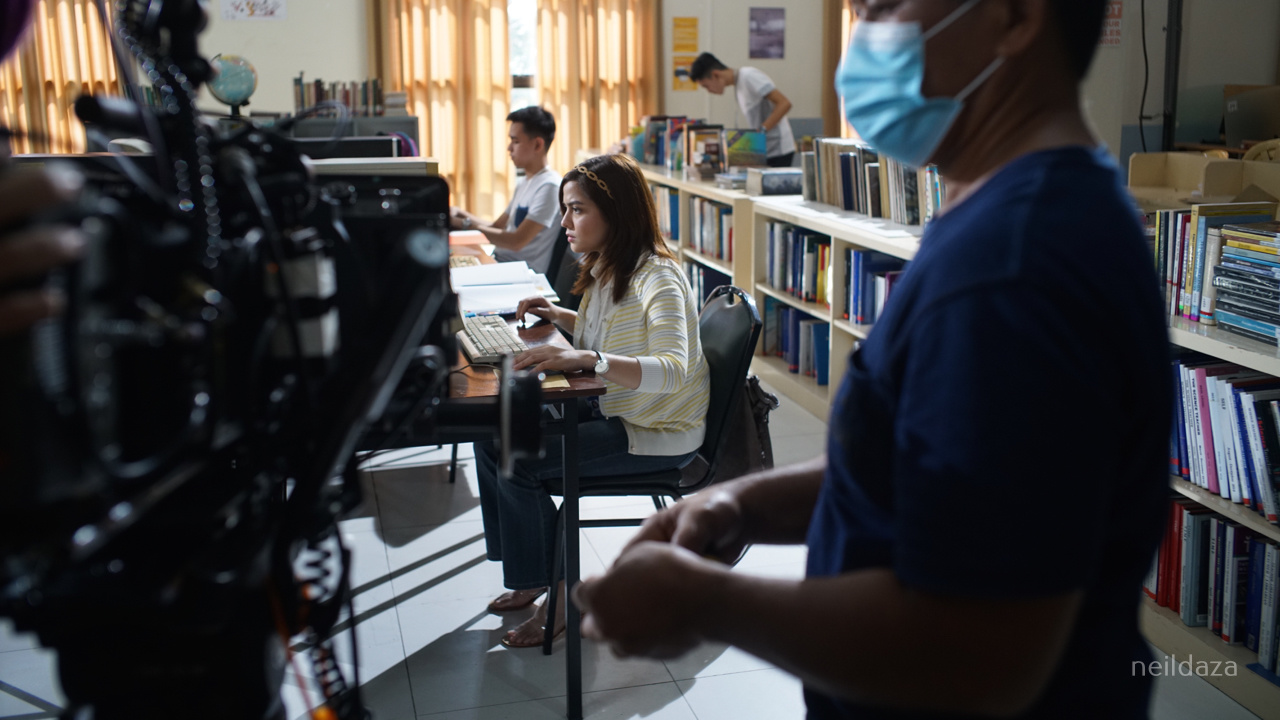
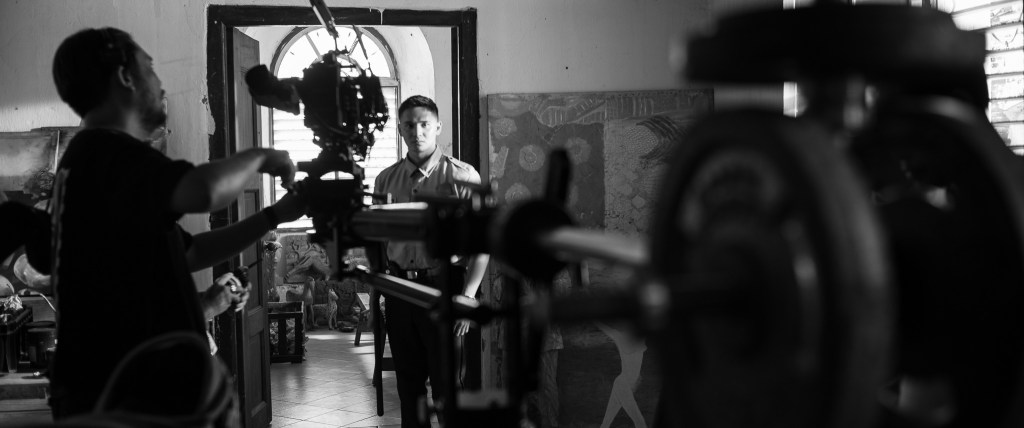
We primarily used two Sony Burano cameras with Sigma Cine lenses, mounted on various rigs about 80% of the time:

  • A dolly platform with 32-foot tracks
  • An 8-foot Porta-Jib for small vertical motion
  • A gimbal for long follow-shots
  • A 25-foot crane for the one shot wide-to-closeups 
  • DJI Inspire drone with a 50mm lens for lingering aerials

As a cinematographer, my job isn’t just to operate and direct the camera—it’s to orchestrate the visual experience intended for the big screen; always thinking about how each shot fits into the final cut. With so much content being produced these days for a 50-inch TV screen, we sometimes forget to give the audience a cinematic theatrical experience. Even though Zig and I never explicitly discussed the film’s editing rhythm, we intuitively followed a shared tempo during the shoot.
The Challenges of San Fabian

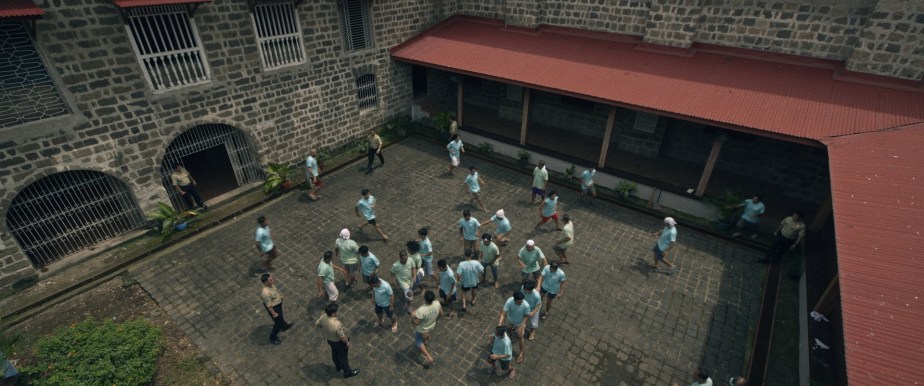
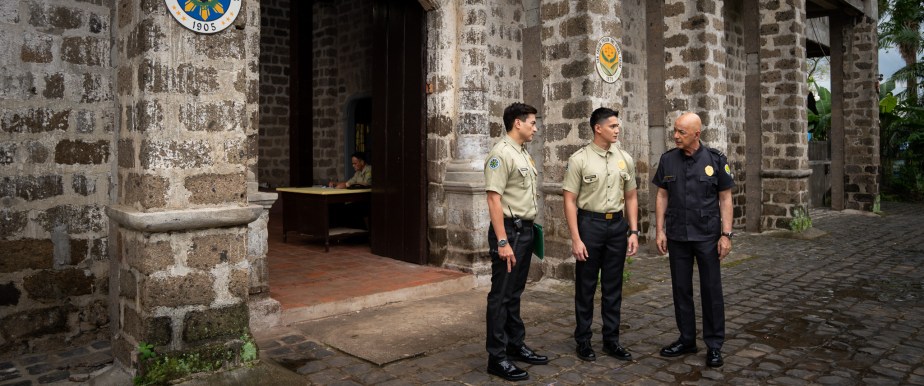
The fictional San Fabian Penal Colony—patterned after the Iwahig Prison and Penal Farm—was one of the most logistically-challenging parts of the production. In an ideal world, we would have built the entire prison on a backlot; but with budget and time constraints, we had to find creative ways to make things work. Zig’s vision and Mao’s design served as a visual blueprint, allowing us to stitch together multiple locations into one cohesive space.

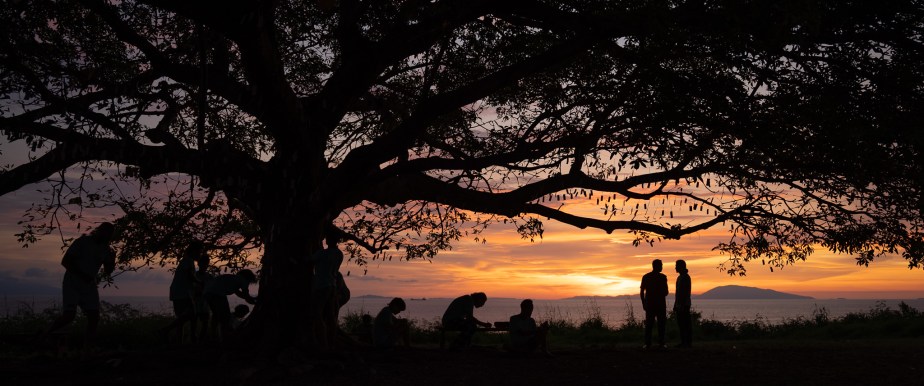
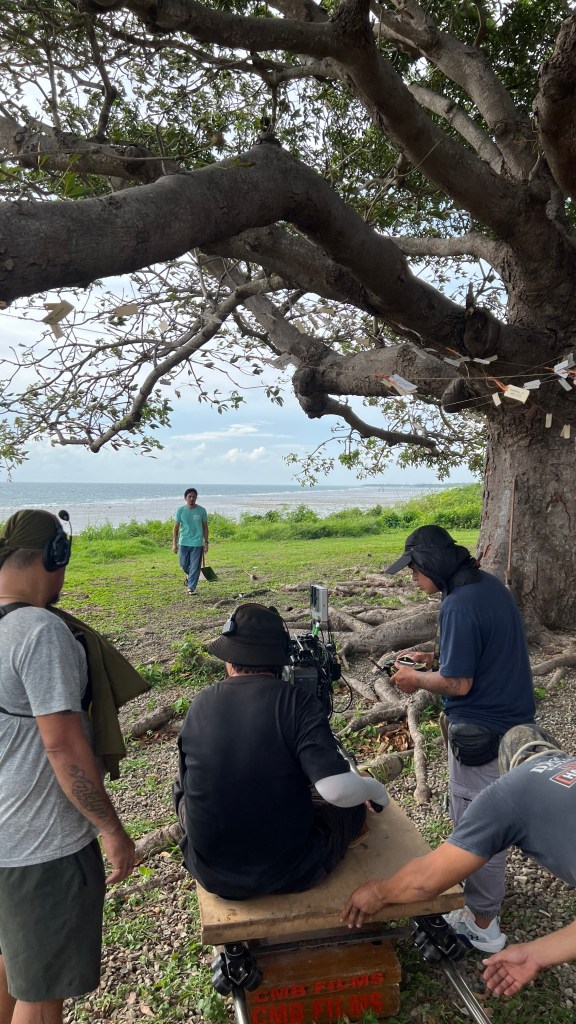
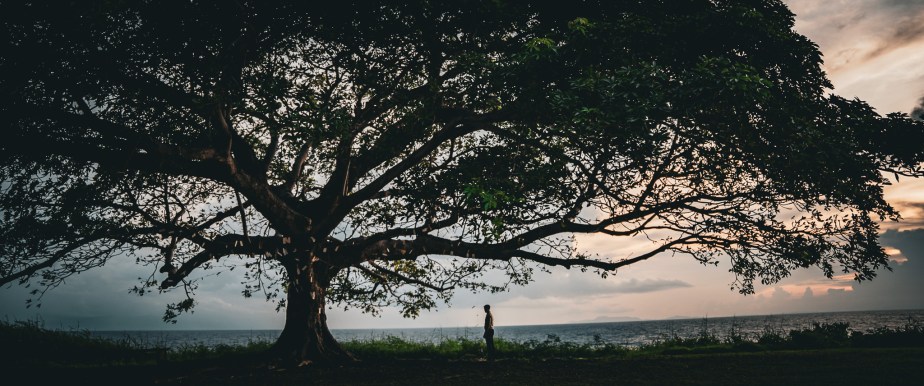
The warden’s office was filmed inside the Magdalena Church in Laguna. The prison entrance and approach roads were in Pangasinan. The pier was in Bataan. The cell blocks were in Subic. And the “Tree of Hope” was located in Calatagan, Batangas. A single scene might begin shooting in Laguna and end in Batangas. This created a huge challenge for lighting continuity. Matching the quality and direction of light, as well as color temperature and actors’ screen direction, became paramount. In this case, lighting a scene is the easy part; the real challenge is sustaining consistent lighting and visual continuity across the entire film. 

Day-for-Night Scenes

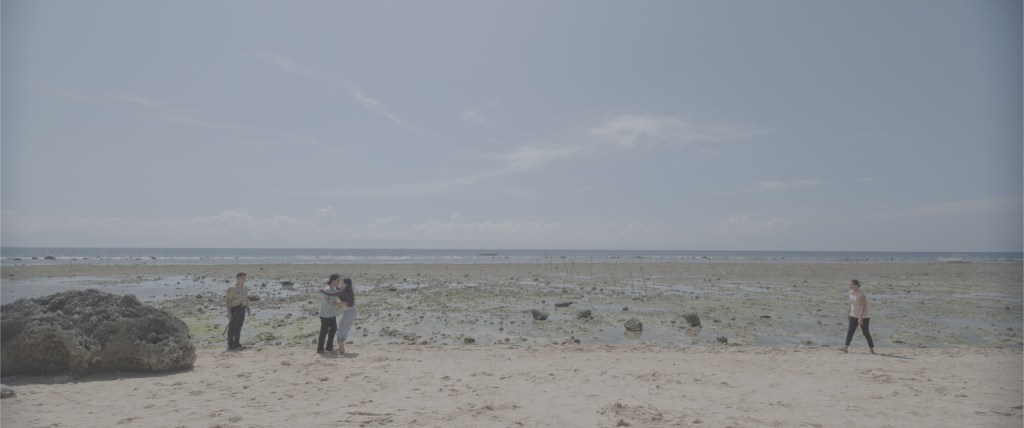
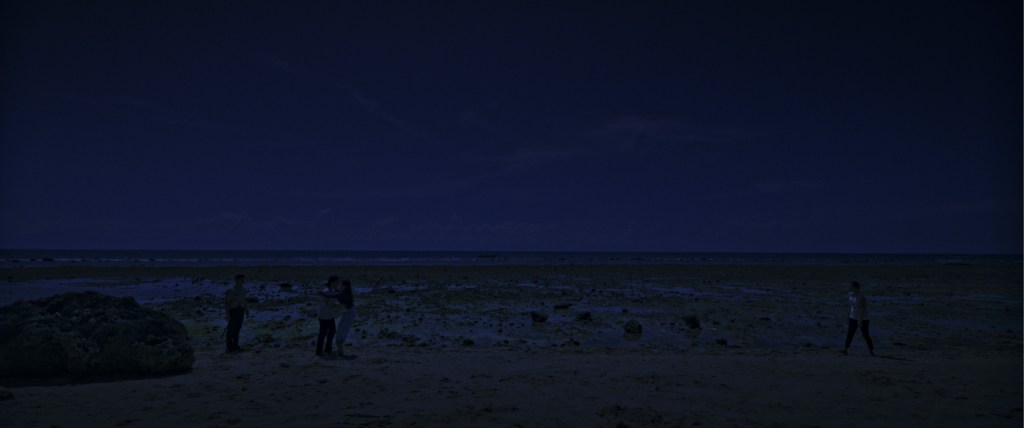
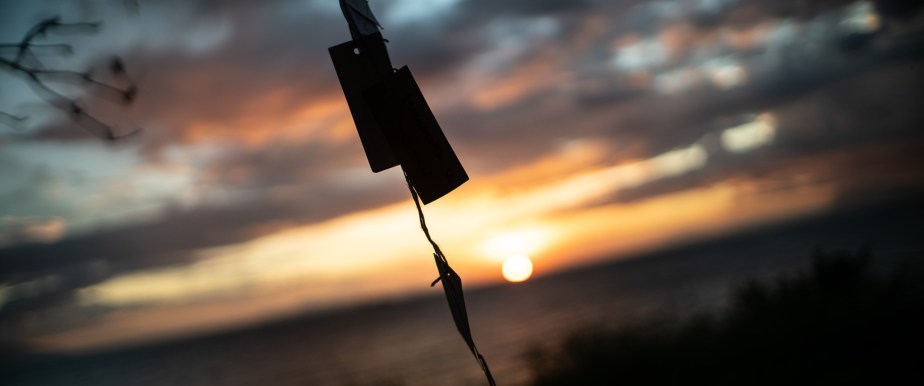
Day-for-night is a cinematography technique where scenes meant to be night scenes are actually filmed during day. It is usually done because of logistical reasons. It’s a technique that either works seamlessly or fails conspicuously, and there’s rarely a middle ground.

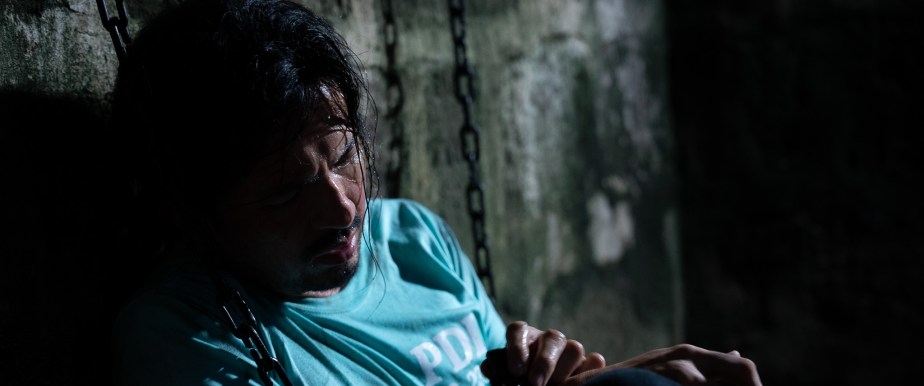
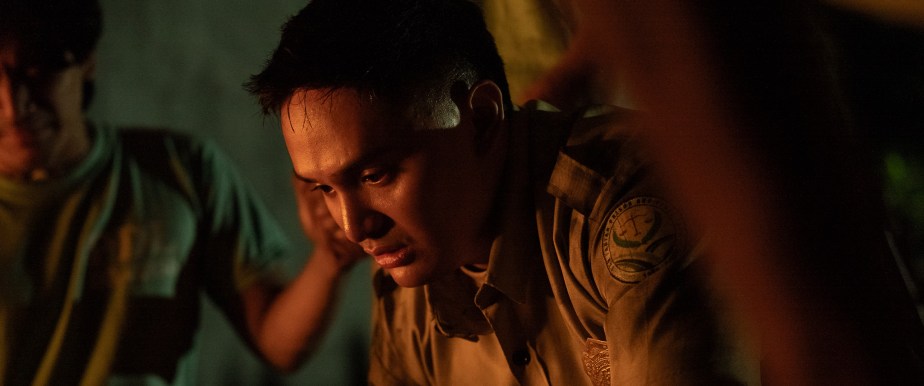
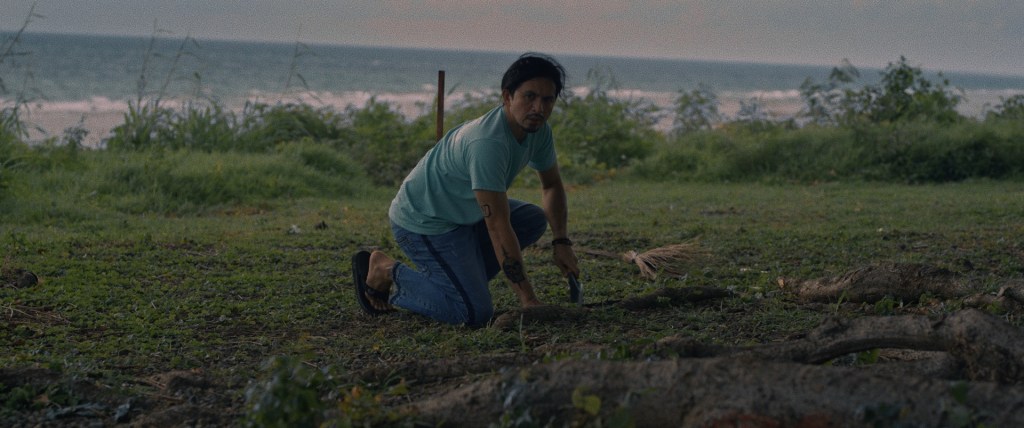
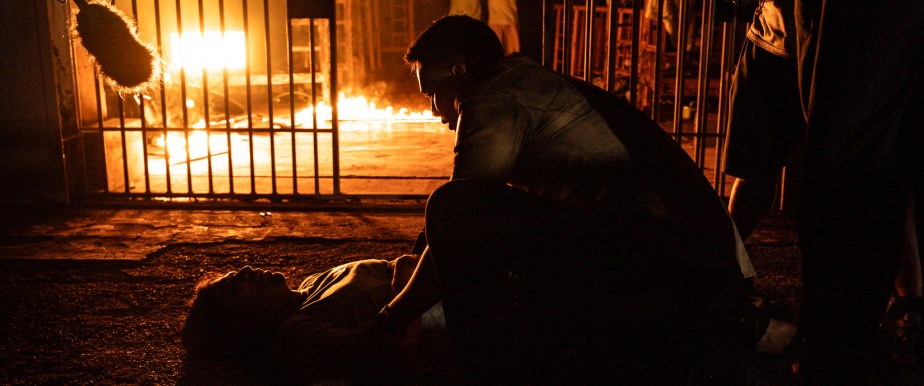
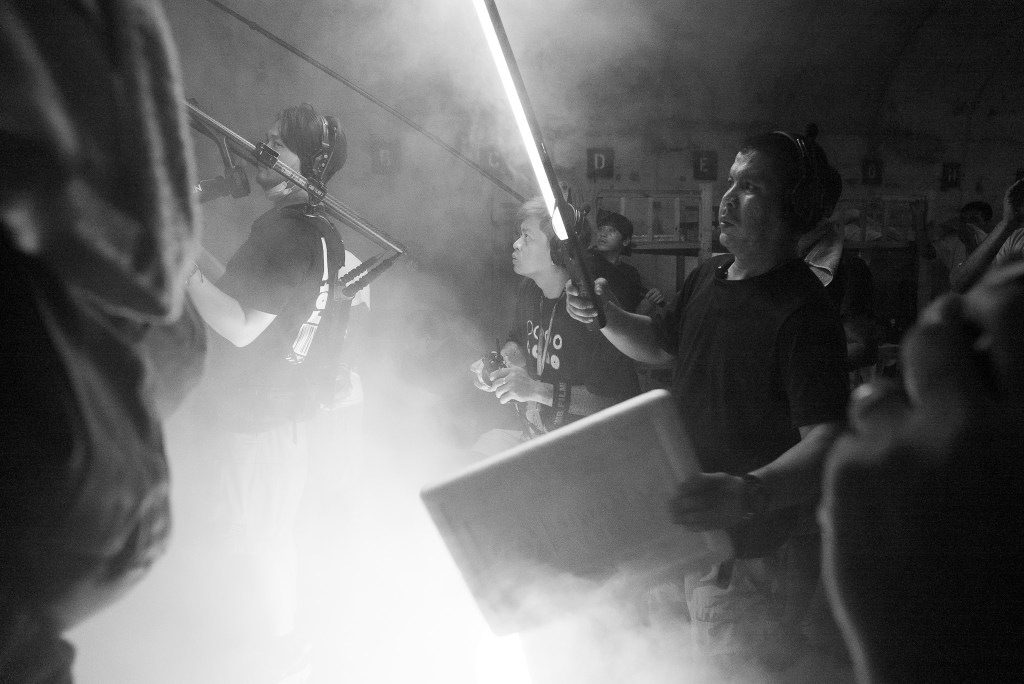
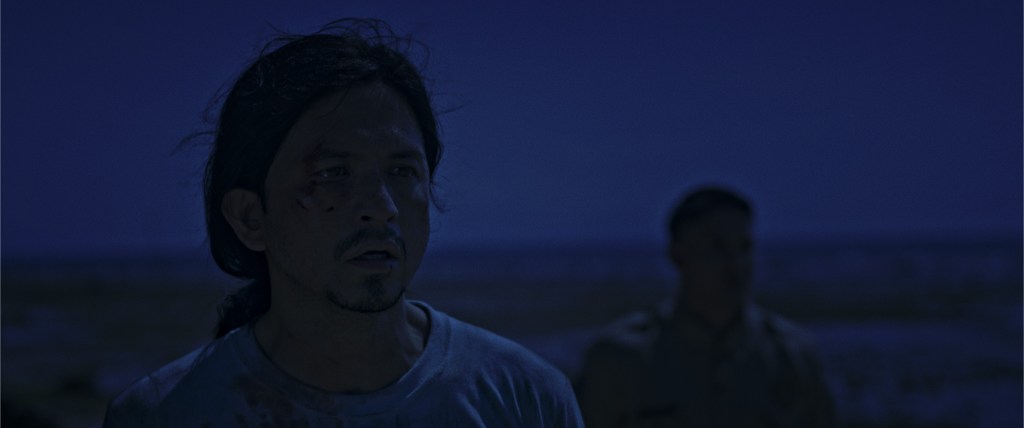
In ‘Green Bones’, a particular sequence on a beach location required a day-for-night treatment across multiple scenes. The isolation cell scene toward the end where Dennis Trillo escapes, was shot as night in an abandoned hospital in Bataan. The next scene, where Dennis is about to escape with his niece was shot as day-for-night at a beach in Batangas, and then cuts to Dennis running to the burning cell block shot as night in Subic, This wasn’t a stand-alone flashback or dream sequence; it was a continuous moment in the story building up to the climax, so believability was crucial.

If I’m confronted by the need to shoot day-for-night scenes, I usually need to ask myself these few key questions:

  • Can I realistically light this scene as a true night shoot, especially on a beach, given our time and budget?
  • How long is the scene, and how long can we hold the audience’s suspension of disbelief?
  • What’s the sun’s angle during the shoot? Will it pass as moonlight when color graded?
  • Most importantly, is the audience already emotionally-invested enough to accept the illusion by the time the day-for-night scene comes out?

It’s in this kind of situation that I see the very thin line between the craft and the business side of filmmaking. It creates a balancing-act moment internally, and the need to remind myself of the vision of the film. It’s a struggle between serving the story and helping out on the production cost without selling out your craft.

Shooting this sequence as a night-for-night would have required three nights, two grip trucks, and two generators—resources we didn’t have. So we lit it during the day and pumped in 6K and 4K lights for the frontal faces of the actors to control contrast, and relied heavily on color grading in post production. Knowing that Marilen Magsaysay is my colorist even before I shot the scene made me a little more confident. A long-time collaborator in a lot of my films, Marilen helped us craft a convincing night look.

The next question is—did it work? That’s for the audience to decide. Taking risks will always be part of making films, which makes it an exciting art form; and hopefully, you learn something new along the way.
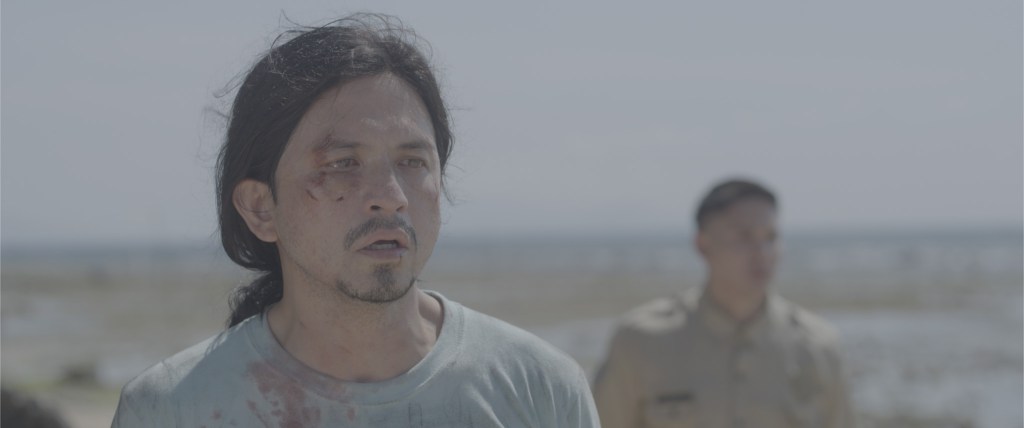
Ungraded
Graded
Ungraded
Graded

Subtlety as a Statement

The cinematography of ‘Green Bones’ is grounded in three words: simple, minimal, and real. I designed each scene with restraint, always in service of the story. My visual taste leaned towards the minimal, and that sensibility guided my choices on the set.

The creative process of this film felt instinctive, thanks to the trust and talent of the people I worked with. ‘Green Bones’ is a film about choosing to be a good human being- above all else. That message resonated with me, especially in an industry where the daily grind and commercial pressures can sometimes drown out our better selves. In the end, all the team’s efforts were worth it because the story of ‘Green Bones’ mattered- and we tried to tell it with subtlety, grace, and conviction.

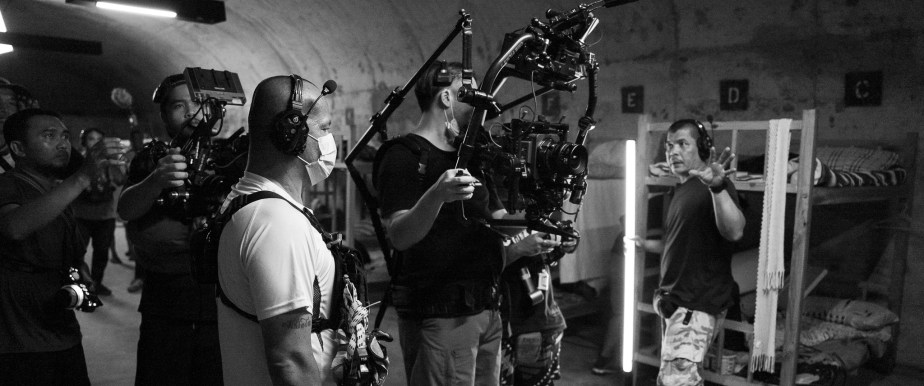
Behind the scenes
Four Sisters and A Pandemic

How do you shoot a prequel of an iconic movie? 

Or better yet, how do you shoot a prequel of an iconic movie during a pandemic? 

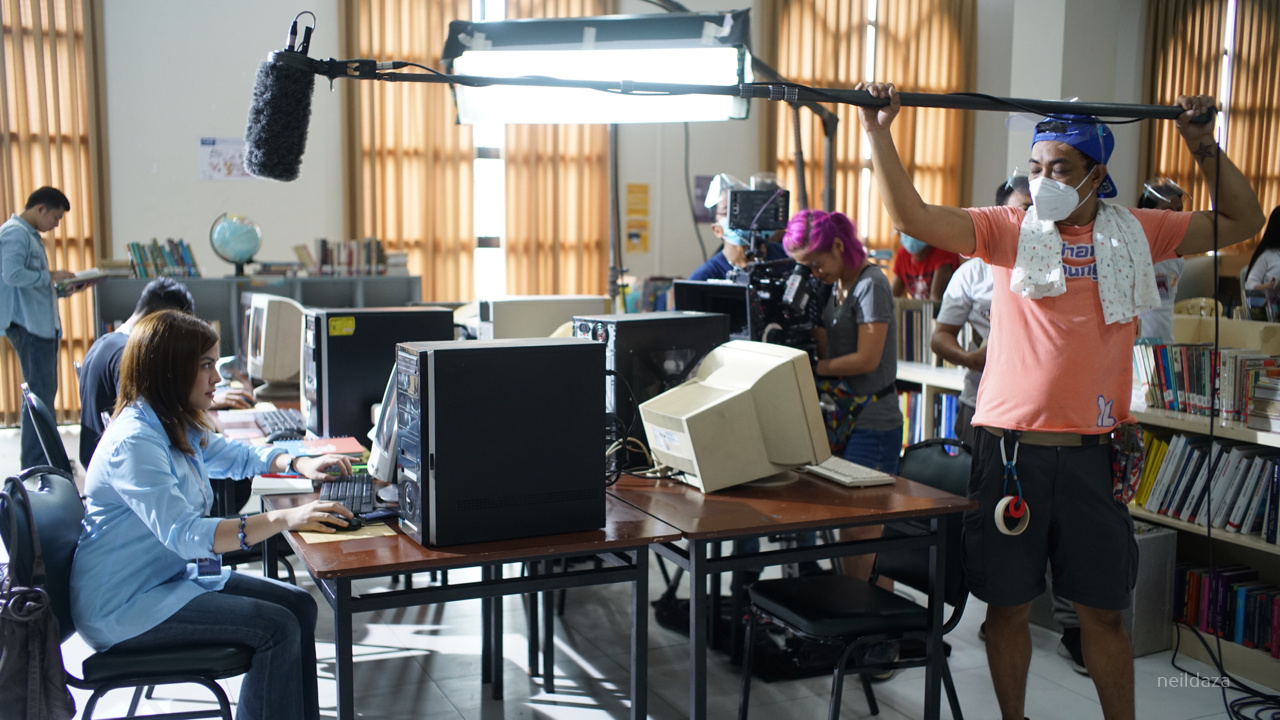
Five months ago, I got a message from Star Cinema if I would be interested to shoot a movie for them in early October. Sixteen shooting days and 1 month lock-in, given that this is the new normal now in production shoots. I asked who the director is, which is usually my first question before accepting a film project. When they told me Mae Cruz-Alviar is directing, I immediately said yes. I have worked with Mae quite a few times during our MMK days – shooting episodes in Baguio, Thailand and Korea. But we never got to work in a movie. Having done AD work for directors like Rory Quintos, Olive Lamasan, Jerry Sineneng and Chito Roño, Mae as a director is persistent, uncompromising and likes sunrise shots even if it is 5 degrees outside. This was 14 years ago, but I would have said yes even if it’s to shoot a porn movie, as long as Mae is directing. Of course I doubt if a Mae Cruz-Alviar will ever make a porn movie. I will basically shoot a movie with her even if it’s going out of my comfort zone. It was a chance to reconnect with an esteemed colleague and I was also curious if she’s still fond of sunrise shots. 

Although I have not seen Four Sisters and A Wedding prior to shooting the prequel, its presence in all media platforms in 2013 when it was released is undeniable enough to make a mark. Prequel/sequel movies automatically set some high audience expectations and with the current limitation in film production, I was curious how the team will pull off this film in 16 shooting days. Four Sisters Before The Wedding is also technically my first official Star Cinema wholesome/family-oriented film ever and a fresh respite from the type of movies I have been doing lately. To put into context my excitement in doing this film – my last 6 films deal with loneliness, agony, violence and depression : a dark look on Pinoy idolatry (Fan Girl), two movie writers trying to rewrite the script of an unfinished love story while the other writer’s wife is dying of cancer (Write About Love), a story of three women in a leper colony set in the 1940s (Culion), a girl’s pessimistic view of the rain reminding her of disenchanted love and other depressing moments in her life (Ulan), a romantic drama about failed dreams and second chances (Alone/Together) and a macabre story of an old maid who met a corpse that changes her life (Oda Sa Wala). So, making a movie about four young girls trying to save their parents’ marriage and their family is like a detoxification process for me. Although Four Sisters is totally on the other side of the story spectrum, it is still a humanistic story that deals about family and forgiveness. Recreating stories and emotions that affect people is the magic of cinema that transcends genre and it is one of the main reasons why cinematographers make movies.

*****

 “Direk 10 talents lang po allowed sa shoot”,  that announcement from our associate producer during our early pre-production meetings dashed any notion that this is going to be a big movie just like the original.  With all the limitations like only one location per shooting day, a cut down on the number of my crew, only 50 people on the set at any given time and working for only 12 hours set the tone on how we’re going to do this movie. On top of these limitations, some questions popped up in my head early on :

-since this is a prequel should I follow the visual style of the original?

-how do I make it look like it’s 2003?

-do I make the film glossy and real? or something in between gloss and realism?

-can we finish our daily scheduled sequences in 12 hours?

-can we actually finish the movie in 16 days?

-how do you light a Star Cinema family drama?

When Mae and I first talked about the film’s treatment, she wanted a “visual connection” to the original movie but we are still free to explore on our own. Of course I said yes but actually I didn’t exactly know how to go about it. Since the story happened in 2003, I was thinking of getting my cues from production designer Shari Montague. I first worked with Shari in Chito Roño’s Etiquette for Mistresses in 2015 where she created this beautiful glossy world of women hiding in society’s moral shadows. A period film is always a production designer’s ballgame in setting the color and mood, then cinematography will enhance what is in front of the camera. But then we realized, there were no major changes in terms of fashion and technology in 2003 except maybe cellphones. There’s no dominant trend that was apparent that could be seen on screen and dictate the film’s visual design. Mae also mentioned Korean drama as a visual reference, which I think has a lot to do on how Korean cinematographers lensed their stories.  I revisited my limited K-drama education with the likes of The Winter The Wind Blows (2013) and most recently, The World Of The Married (2020) which both have great cinematography. Whenever I make films, I have this habit of getting inspirations from my current interests at that time, from Mongolian throat music to a 90s surf magazine’s graphic design. It is also a coincidence that I am into K-pop music lately, particularly Blackpink and BTS, which makes up my immersion to Korean pop culture before making Four Sisters complete. 

*****

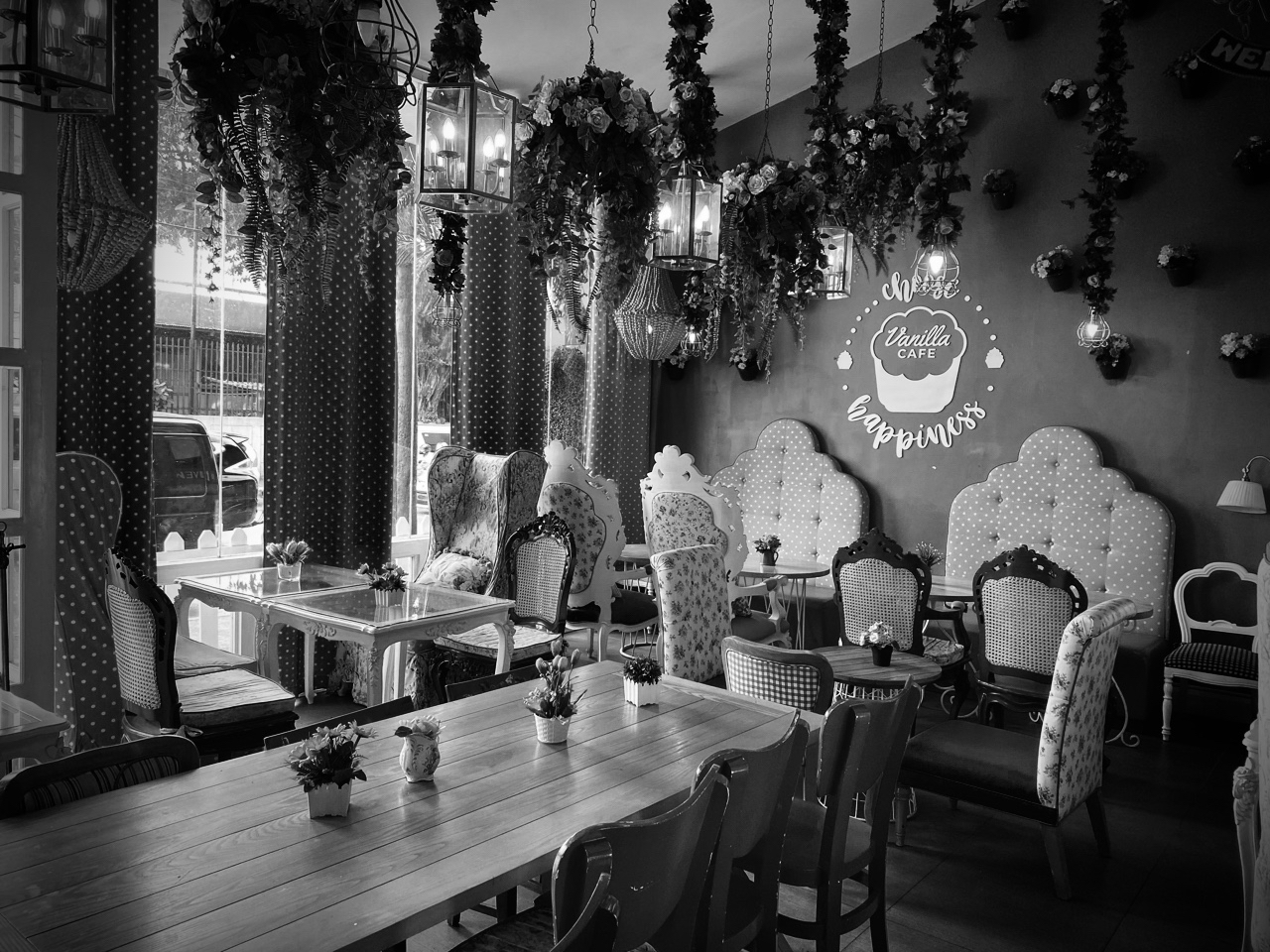
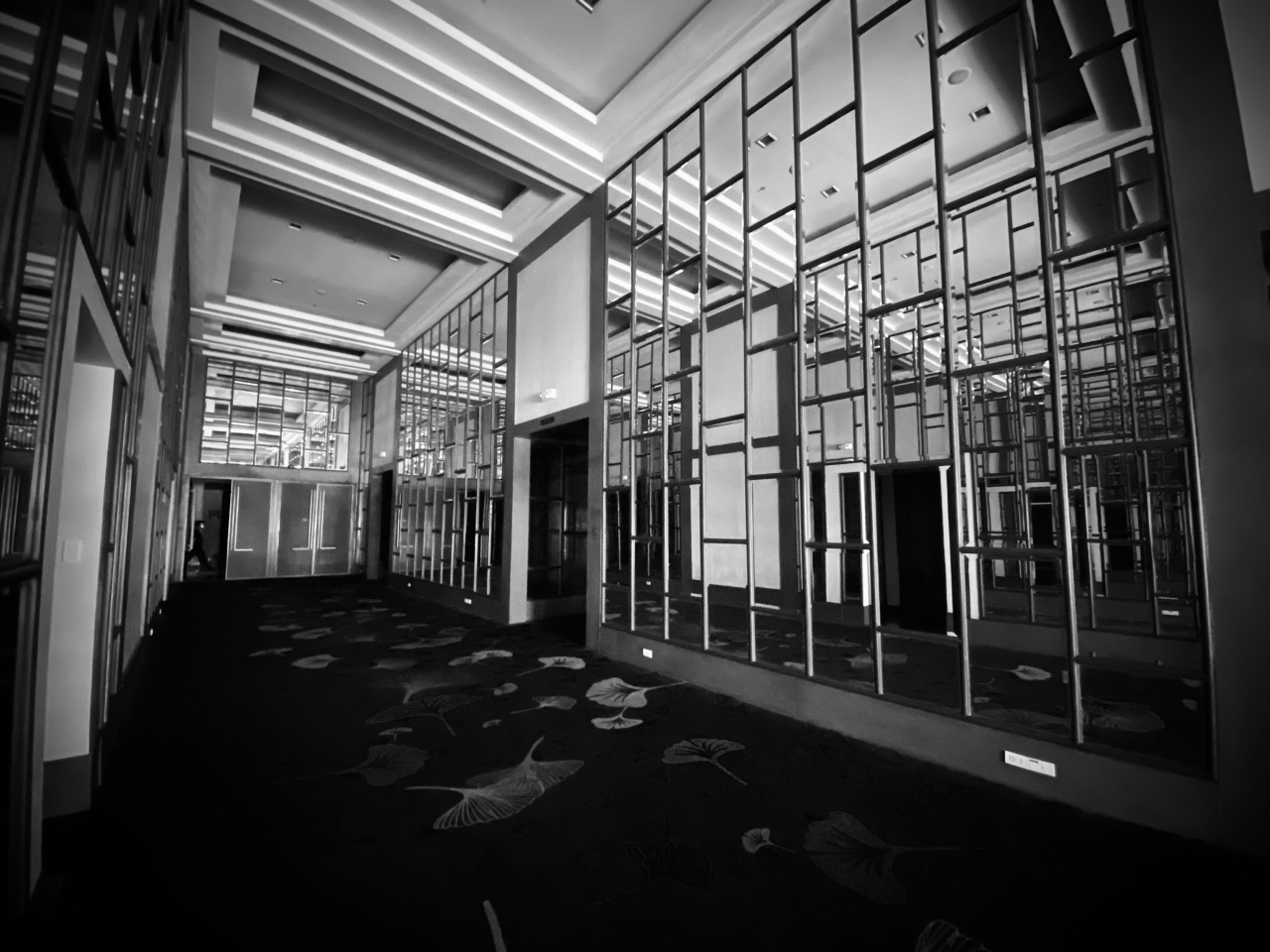
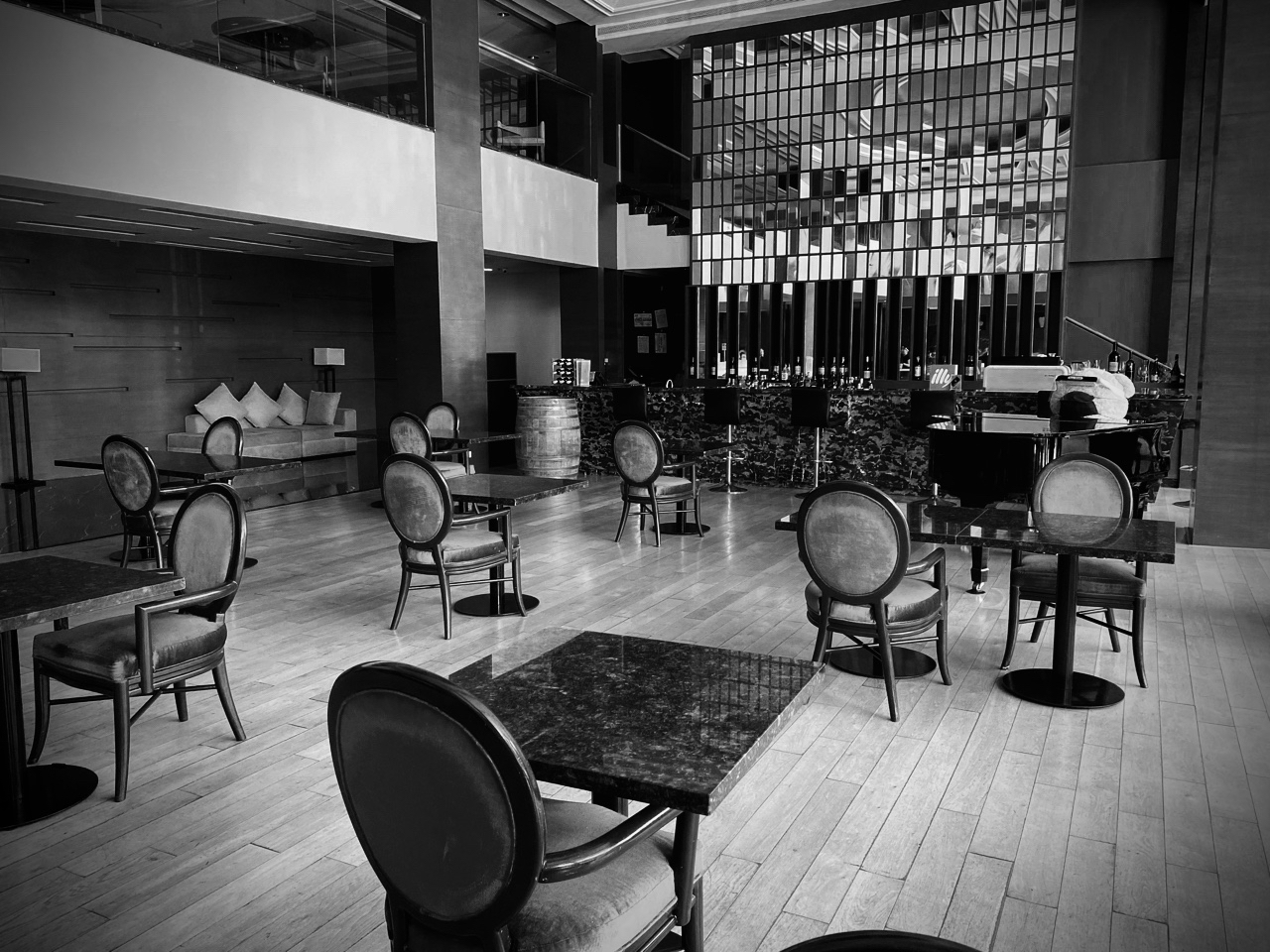
Our location check for Four Sisters Before The Wedding is sort of a rehearsal for health protocols before making the movie. It requires us to lock-in for 5-7 days, an RT_PCR at the Red Cross on the first day then we went straight to our assigned rooms individually in the hotel, isolating us for two days until the results were released. Food were delivered in our rooms. We are not allowed to go out of our hotel unless for location check. The feeling of isolation brought back memories of the early lockdown when I was documenting the unfolding events last March at the start of the pandemic. We checked depressing empty hotels and cafes. The once busy compound and offices of ABS-CBN are now empty and I can only think of the thousands who lost their jobs because of the shutdown.  A gloomy vibe surrounded our location check and a reminder that the pandemic is still here and that we are being fucked by this government. All our pre-production meetings were held virtually thru zoom and I never got to do camera and lens test before starting, a first in my 29-year career. 

Empty cafes and hotels

******

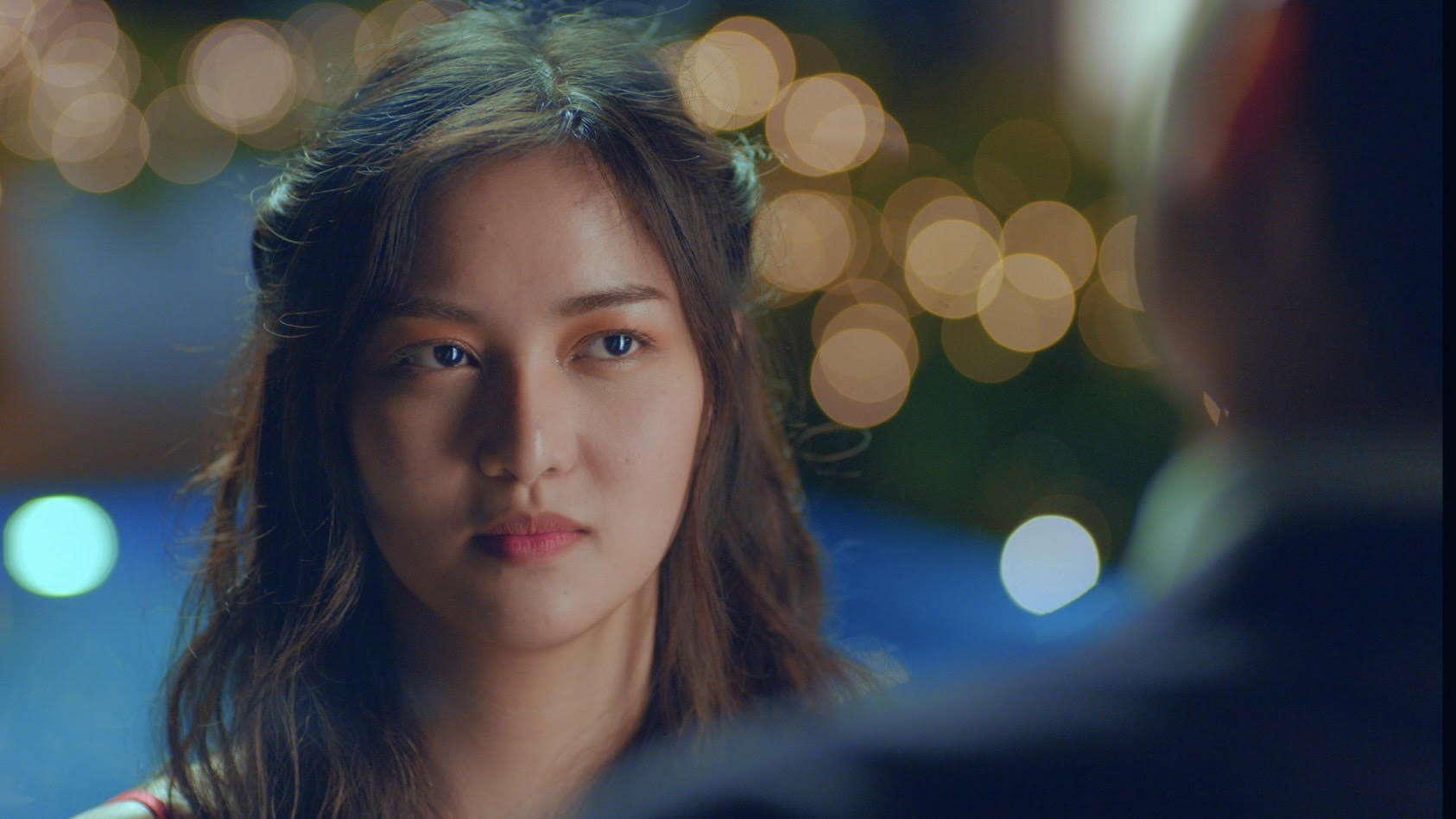
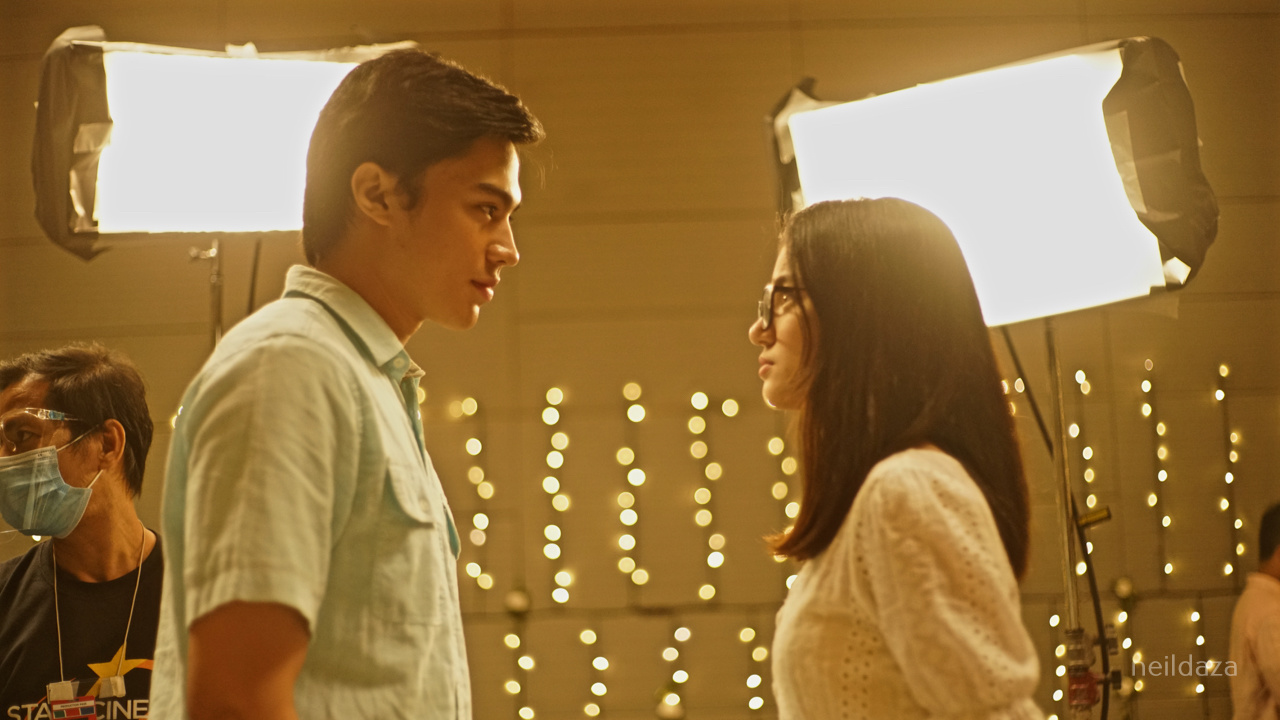
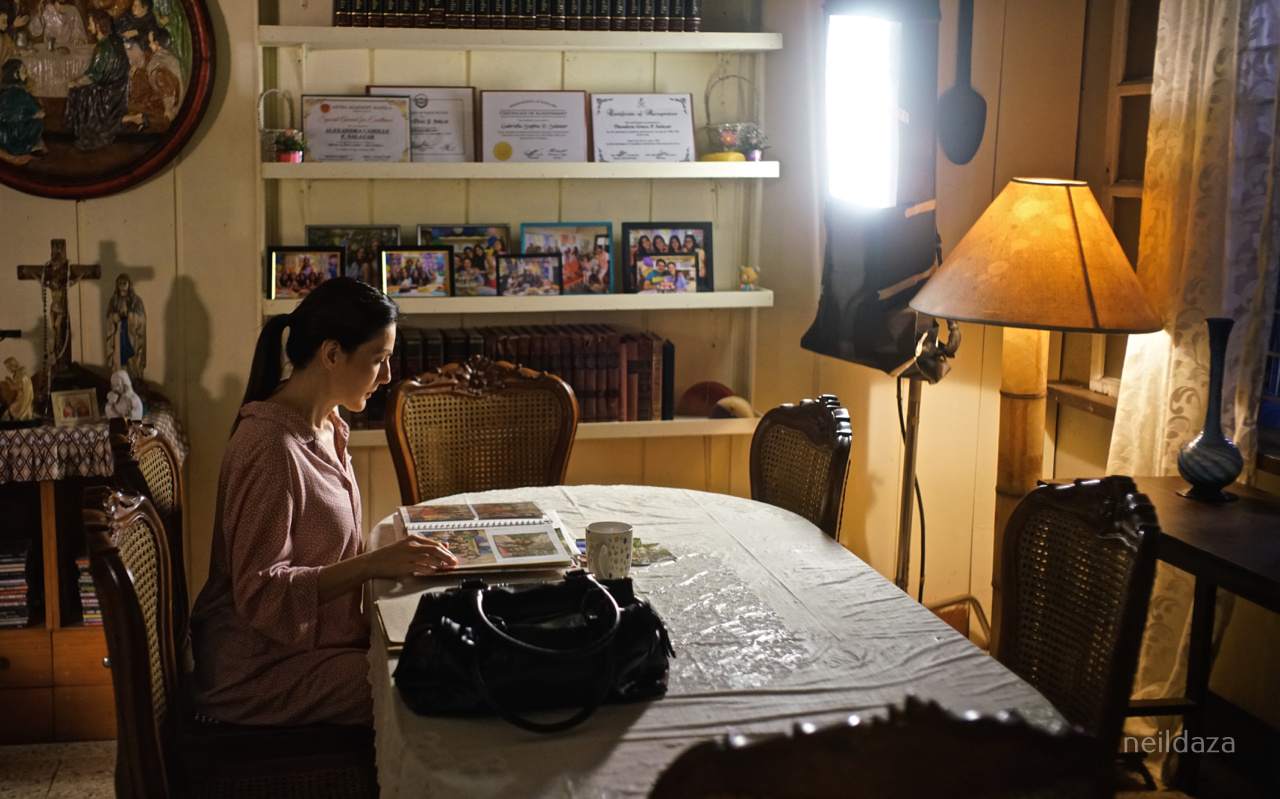
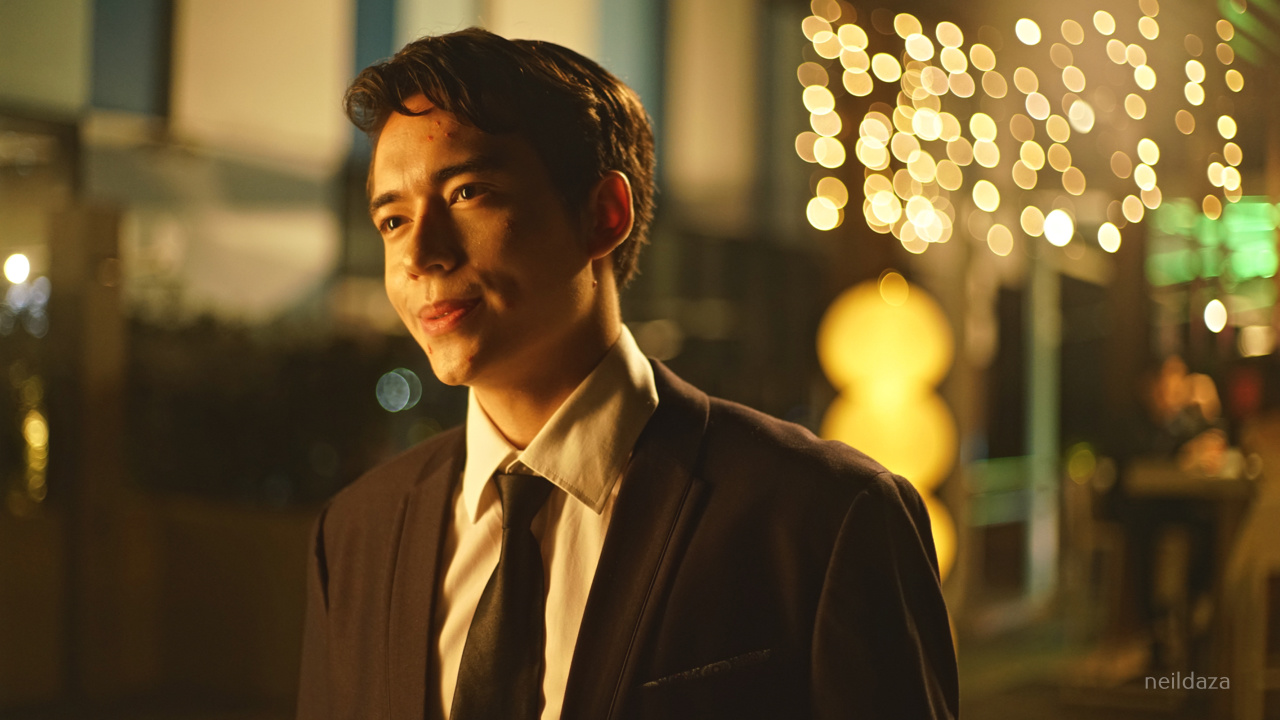
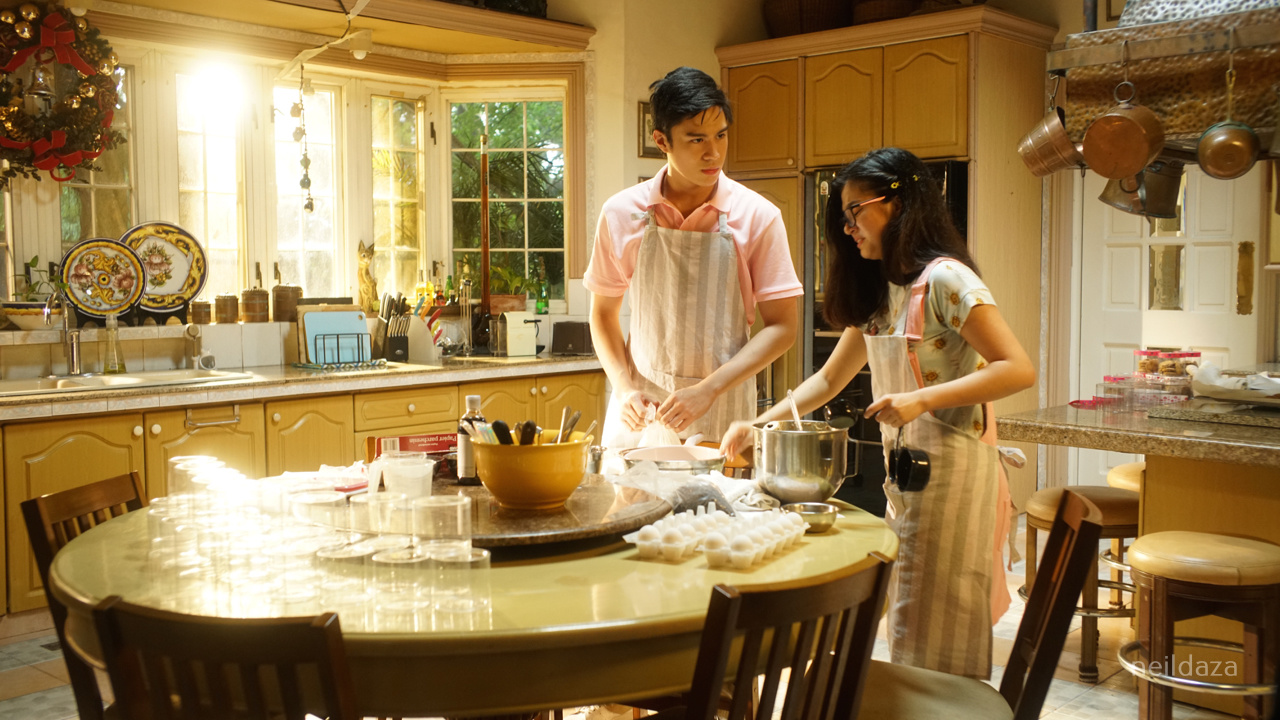
Much of the cinematography process of Four Sisters was anchored in trying to create a new millennium look without deviating too much from the original. Knowing that the film will be high key and low contrast, I still tried to create a semblance of a one-source lighting in day and night interiors. To simulate a single source and maintain a high key lighting is tricky because bringing in too much fill light makes the scene unnecessarily bright making your overall image flat and uninteresting. There’s a thin line between success and failure in a high key lighting, you need to maximize other elements of cinematography to create interesting and engaging images, like choice of lenses, shallow depth of field, composition and design. You cannot hide set imperfections in high key lighting. Sustaining consistent contrast ratio is also more difficult in a high key lighting compared to a dark low key moody scene and with cameras changing positions for different angles, there’s really a need to be scientific about it by using a light meter because you can get lost along the way. Lighting consistently, not only in a particular scene, but for the whole film usually reveals a cinematographer’s skill in lighting continuity. Our main location which is the Salazar’s house has windows positioned in each area of the house. It has sliding capiz windows in the dining area, a frosted glass window in the living area overlooking the garage. All bedrooms have big windows and the art department placed jalousie glass to add an “old” feel into it. I always have heavily diffused 4Ks pumping in thru the windows to create contrast. Kinoflos were rigged in the ceiling for stand-by fill light, strategically positioned and angled, based on the actor’s blocking and rehearsals that happened two days before we started. Practical lamps were placed in the house but controlled to a minimum to what is acceptably real and logical. In post-production, I worked closely with colorist Timmy Torres since we were exploring a particular look. Early rushes from the first few days of shoot were immediately given to Timmy so she can start playing around with it. My early notes to Timmy were – Four Sisters is “K-drama meets Blackpink in 2003” and “colors are pop because the film is pop but it doesn’t have to be too pop” if those made sense.  

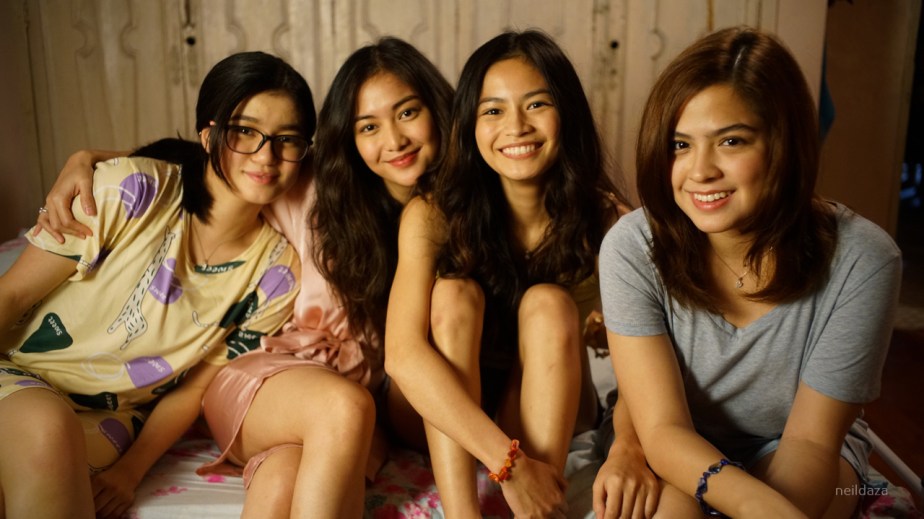
Clockwise : Charlie Dizon, Gillian Vicencio, Alexa Ilacad, Belle Mariano

*****

October 10, 2020

Day 1 Shoot.

Seven sequences.

Four day scenes.

Three night exterior.

Twelve working hours.

As much as I want to commend our assistant director Russel Santos for his optimism, there were a lot of variables on our first shooting day which were very hard to control. By pack-up time, six sequences were dropped and we had one open sequence. Day one was not very promising but as the shooting progressed, adjustments were made and people started to get the new shooting rhythm. As the Covid-19 cases surged in the month of October, we were actually finishing a movie notwithstanding all the limitations and health protocols. Actors, staff and crew bonded forming a solid team and with Direk Mae always creating a happy and stress-free set, Four Sisters Before The Wedding was the perfect movie to shoot at the time of a pandemic. There were just positive vibes all throughout the shoot, a complete contrast to what is happening in our country. That positivity shows in the film. And at a time when the movie industry is still struggling amidst the pandemic, it is a courageous move for Star Cinema to still make movies.